
Master Healthy Cooking Techniques
Discover evidence-based cooking methods that preserve nutrients, enhance flavors, and transform the way you prepare meals. Learn from our comprehensive editorial guides and explore practical techniques for everyday cooking.
The information on this site is for educational purposes only and does not constitute medical advice. Always consult a qualified healthcare professional before making health decisions.
Seasonal cooking requires different techniques—discover how to adapt your methods for spring, summer, fall, and winter ingredients.
Why Cooking Technique Matters
The way you prepare food significantly impacts both its nutritional value and taste. Proper cooking techniques help retain vitamins and minerals that are often lost through improper heating, prolonged cooking times, or inappropriate methods.
At Pureeatingcourse, we believe that everyone deserves to understand the fundamentals of healthy cooking. Whether you're steaming vegetables, sautéing proteins, or slow-cooking legumes, each method serves a specific purpose in maintaining food quality.
Our editorial platform brings together practical knowledge about cooking science, ingredient selection, and preparation methods that align with modern nutrition research.
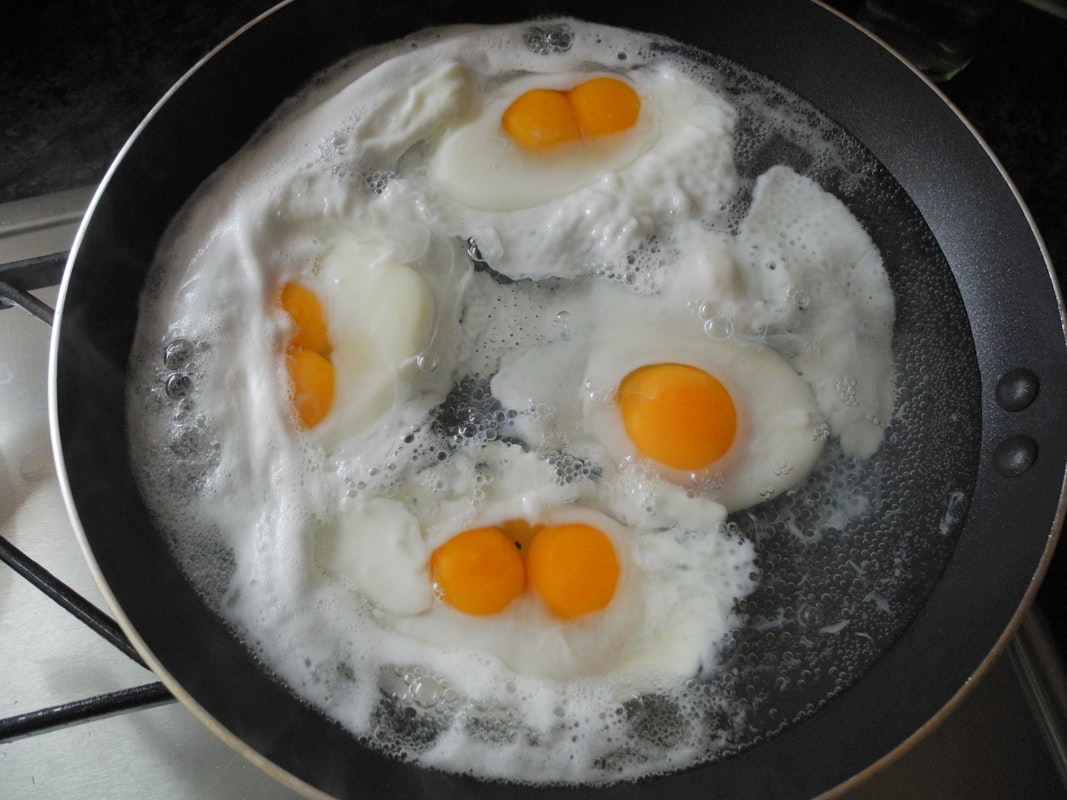
Essential Cooking Methods
Understand the key techniques that form the foundation of healthy meal preparation
Steaming
Gentle moist heat that preserves heat-sensitive vitamins and minerals. Perfect for vegetables, fish, and delicate proteins. Steaming avoids nutrient loss through boiling water.
Roasting
Dry heat cooking that caramelizes surfaces and develops deep flavors. Ideal for root vegetables, whole grains, and poultry. Requires moderate temperature control for optimal results.
Sautéing
Quick cooking with minimal oil in a hot pan. Maintains texture while developing surface flavor. Key for maintaining vegetable crunchiness and protein browning.
Slow Cooking
Low-temperature extended cooking that breaks down connective tissues and develops complex flavors. Excellent for tough cuts, legumes, and bone broths without nutrient degradation.
Grilling
Direct or indirect heat cooking that imparts smoky character while sealing in juices. Requires attention to temperature to prevent charring that reduces nutrient density.
Boiling & Blanching
Water-based cooking requiring careful timing. Blanching (brief boiling followed by ice bath) preserves color and texture better than prolonged boiling for most vegetables.
Five Essential Steps to Healthy Cooking
Master these fundamentals and transform your kitchen practice
Select Quality Ingredients
Begin with fresh, whole foods. Choose seasonal produce at peak ripeness, and select proteins raised or caught responsibly. Quality ingredients require fewer cooking interventions.
Prepare Properly
Wash and cut ingredients mindfully. Leave skins on when nutritionally beneficial, and minimize preparation time before cooking to prevent oxidation and nutrient loss from exposed surfaces.
Match Technique to Food
Different foods require different methods. Delicate vegetables need gentle steaming, while root vegetables benefit from roasting. Understanding these matches prevents overcooking.
Monitor Temperature
Proper heat control is fundamental. Use appropriate temperatures for each method—too low extends cooking time and degrades nutrients, while excessive heat creates harmful compounds.
Time Your Cooking Precisely
Set timers and check progress regularly. Even small differences in cooking duration significantly affect final nutrition and flavor. Practice develops intuition for doneness indicators.
Visual Techniques Guide
See healthy cooking methods in action with our image gallery
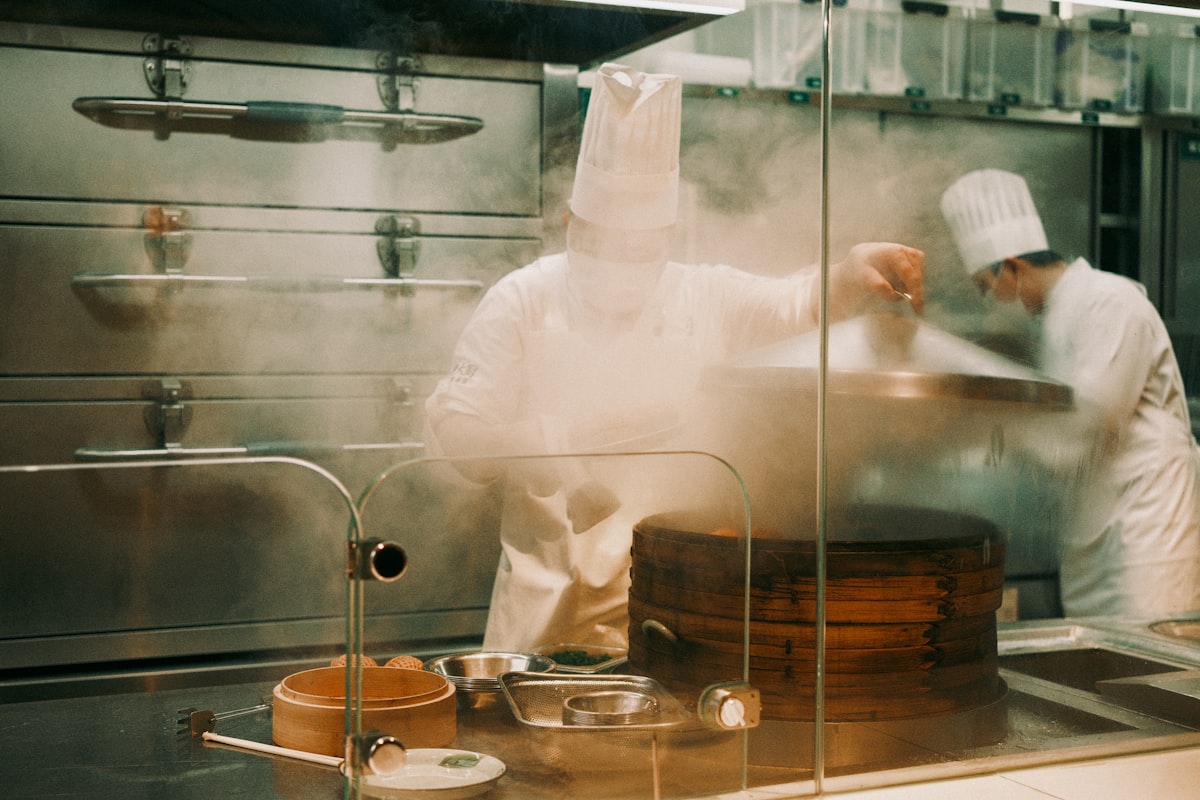
Proper Steaming Setup
Learn the correct vessel arrangement and water level for optimal steam circulation without nutrient leaching.
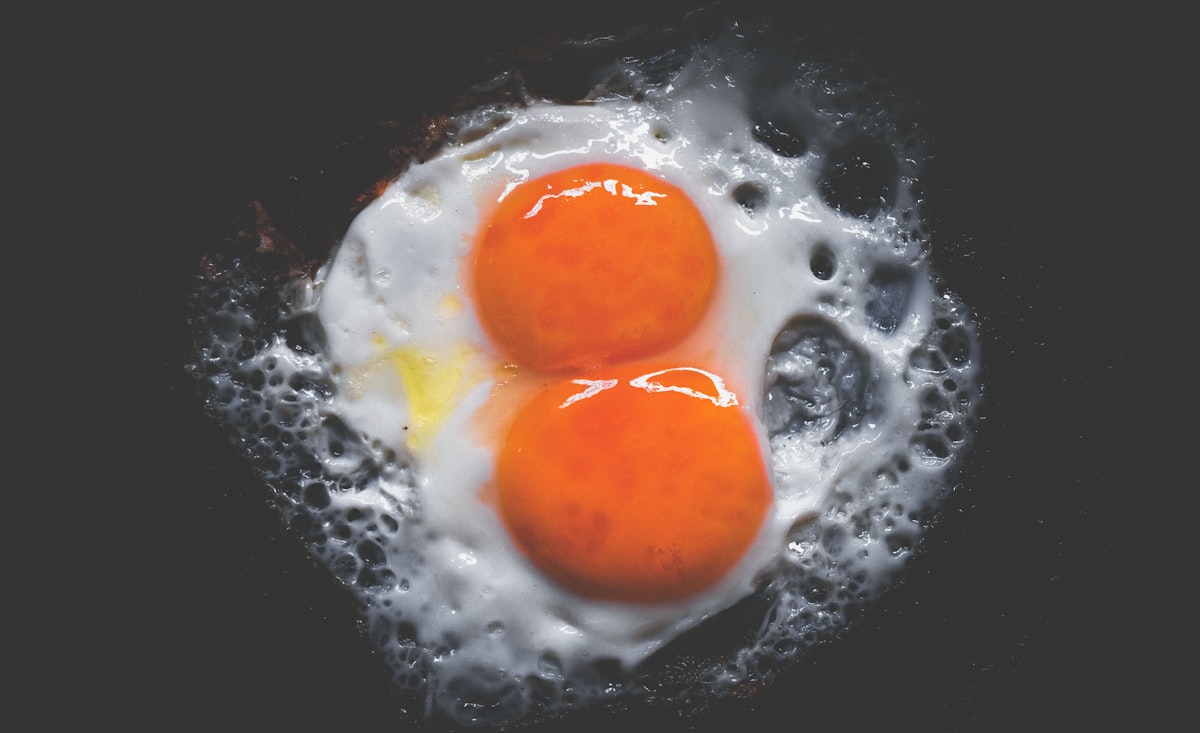
Roasting Perfection
Discover tray arrangement techniques and oil ratios that achieve caramelization while maintaining nutrient integrity.
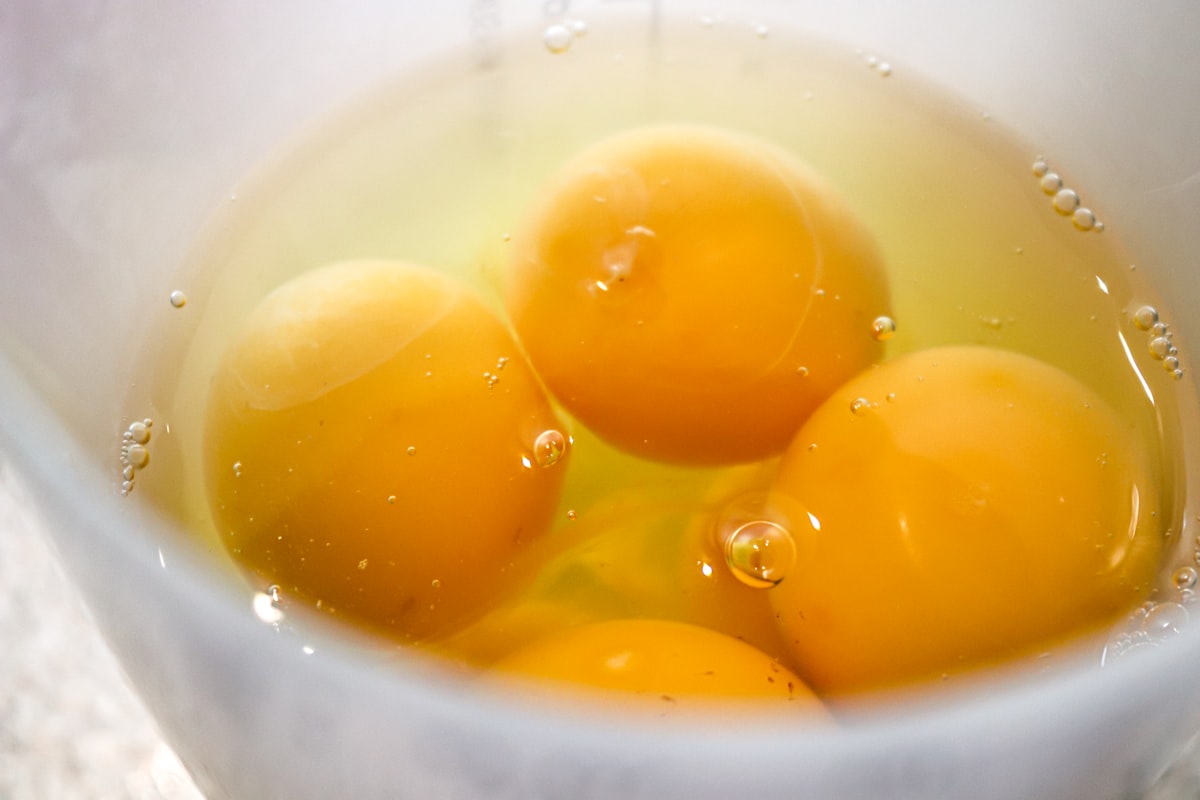
Sautéing Essentials
Master heat management, oil selection, and pan movement for vibrant textures and flavors in minutes.
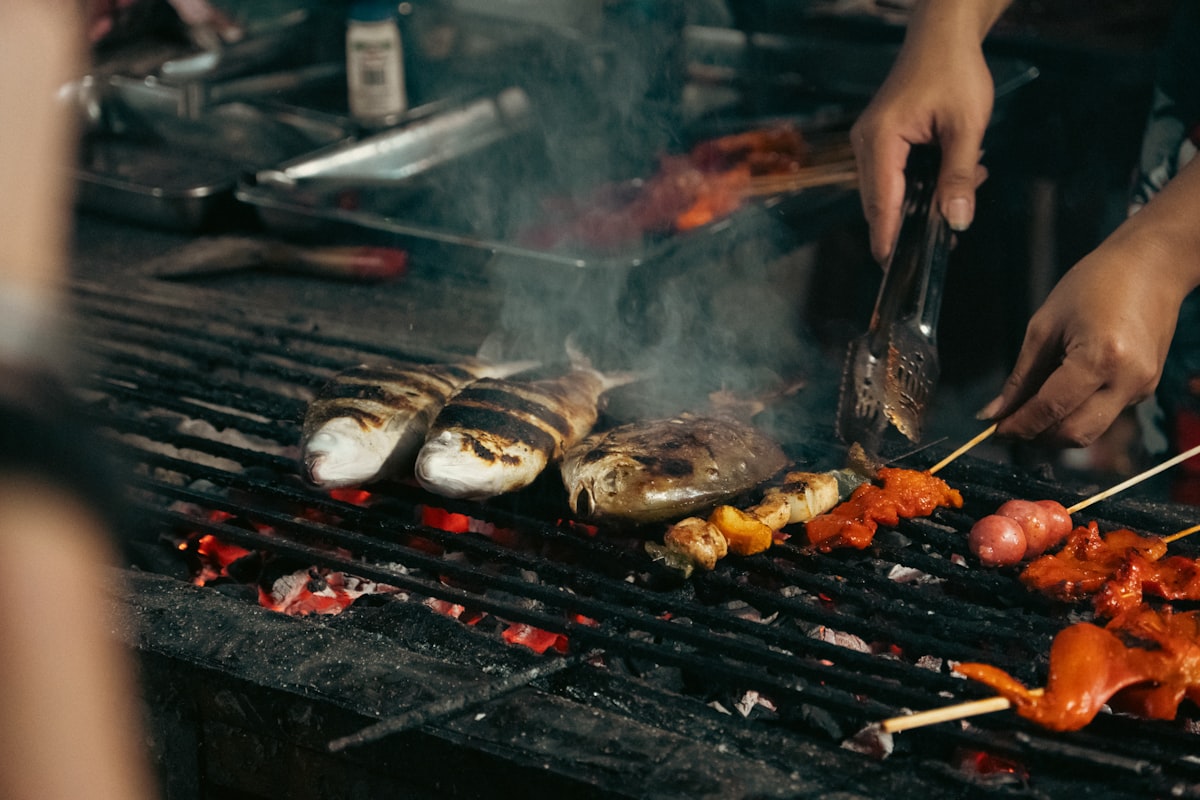
Slow Cooking Basics
Understand layering strategies, liquid ratios, and timing for deep flavor development without nutrient degradation.
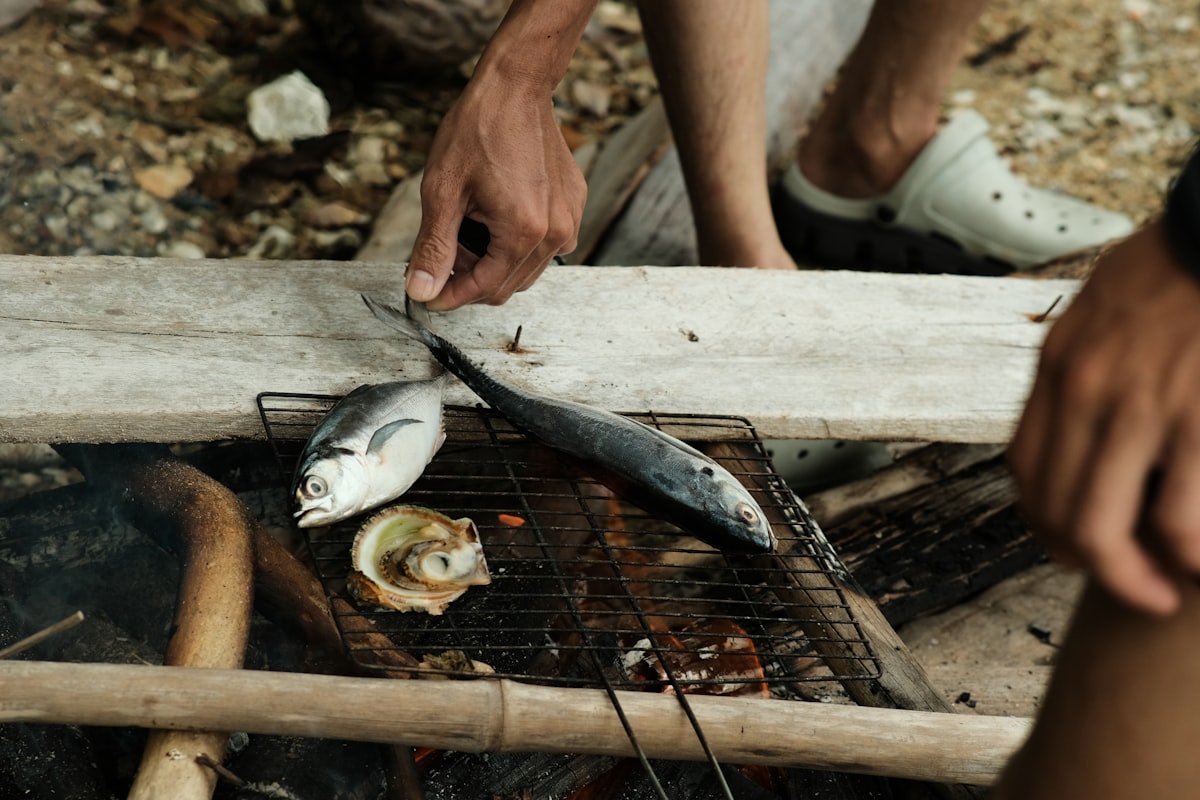
Grilling Techniques
Learn temperature zones, direct vs. indirect heat, and marinating methods that enhance both flavor and quality.
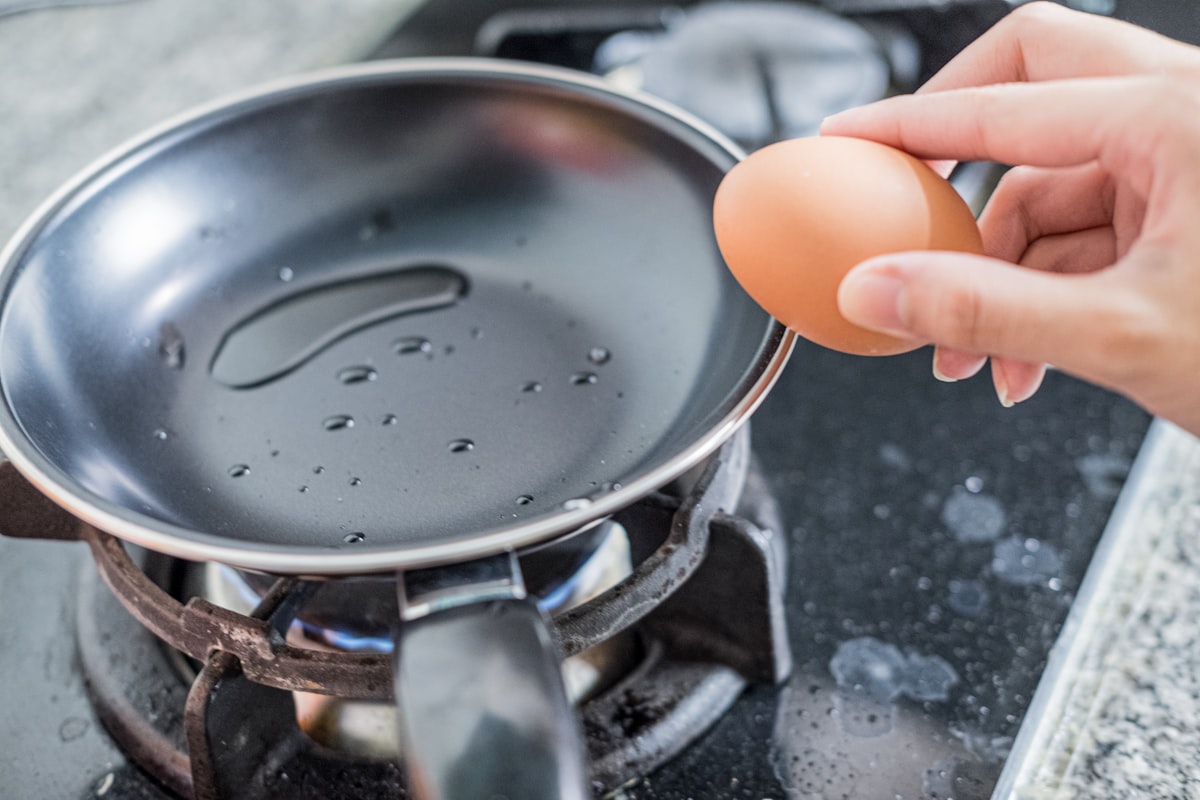
Blanching Method
Discover precise timing, ice bath temperatures, and the science behind color retention and texture preservation.
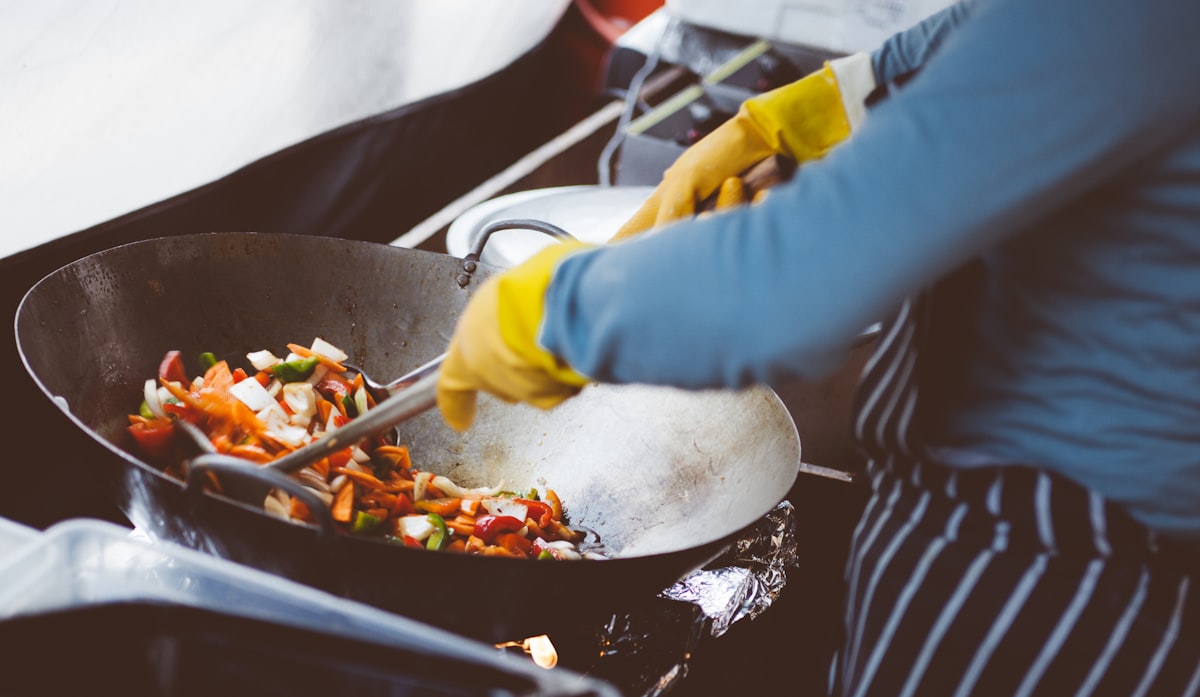
Why Trust Our Editorial Content
Evidence-Based Information
Our guides reference modern nutrition science and cooking research, not marketing claims or fads.
Practical Kitchen Wisdom
We focus on techniques you can apply immediately in your own kitchen with common equipment.
Honest Communication
We clearly distinguish between established knowledge and areas where science is still evolving.
Detailed Explanations
We explain the "why" behind techniques so you understand the science and can adapt methods to your needs.
What Our Readers Say
Real feedback from people who've applied these healthy cooking techniques
"I've been following the steaming guides for three months now, and my vegetables have never tasted better. The explanations about preserving nutrients actually make sense—I understand what I'm doing and why. The section on seasonal adaptations completely changed how I shop and cook."
Magdalena Bogucka
Warsaw
"The visual guide was exactly what I needed. I'm not great with written instructions, but seeing the actual technique demonstrations helped me understand sautéing and roasting properly. My family has noticed the difference in flavor and texture immediately."
Paweł Kowalski
Kraków
"As someone learning to cook in a healthier way, these guides removed so much confusion. The step-by-step process section helped me feel confident in the kitchen. I've tried slow cooking for the first time based on your recommendations, and it's become my favorite method."
Agnieszka Starzyk
Gdańsk
"Excellent resource for anyone serious about understanding their cooking. The information about temperature control and nutrient retention is backed by real science, not hype. My only wish is there were even more recipes incorporating these techniques."
Tomasz Pałka
Wrocław
The Value of Learning Proper Techniques
Understanding these fundamentals transforms your cooking practice
Nutrient Preservation
Proper techniques minimize vitamin and mineral loss, ensuring your meals deliver maximum nutritional benefit.
Enhanced Flavor
Mastering technique unlocks natural flavors in food, reducing reliance on added salt, sugar, and processed seasonings.
Time Efficiency
Understanding which methods work for different foods saves time in the kitchen while improving consistent results.
Cooking Confidence
Knowledge removes guesswork, allowing you to cook with purpose and adapt techniques to your ingredients and preferences.
Frequently Asked Questions
Common questions about healthy cooking techniques
Does steaming really preserve more nutrients than boiling?
Yes, steaming prevents water-soluble vitamins like B and C from leaching into cooking liquid. Water contact is minimal, and the shorter cooking time preserves heat-sensitive nutrients better than boiling. Studies show vegetables retain 25-40% more vitamin C with steaming compared to boiling.
What temperature should I use for sautéing?
Medium to medium-high heat (around 160-200°C depending on your stove) is ideal for most sautéing. Too low and food steams instead of searing; too high and it burns. The goal is a hot pan that seals surfaces while cooking interiors through. Start at medium and adjust based on what's cooking.
Is roasting vegetables at high temperature harmful?
Moderate roasting (180-200°C) is safe and beneficial—it creates desirable flavors through caramelization. Excessive temperatures (above 220°C for extended periods) can create compounds of concern. Aim for golden-brown caramelization rather than heavy charring, and don't exceed recommended temperatures.
How long should vegetables cook to maintain texture?
This varies by vegetable, size, and method. Generally, aim for "tender-crisp"—vegetables should yield to a fork but still have slight firmness. Most steamed vegetables need 4-8 minutes, sautéed vegetables 5-10 minutes, and roasted vegetables 20-30 minutes depending on size. Use a fork to test doneness rather than following time strictly.
What's the difference between blanching and boiling?
Blanching is brief boiling (usually 2-4 minutes) followed immediately by plunging into ice water to stop cooking. This preserves bright color and firm texture. Regular boiling continues cooking until fully soft. Blanching is better for maintaining quality, especially as a step before freezing vegetables.
Can I apply these techniques to frozen vegetables?
Absolutely. Frozen vegetables are nutritionally comparable to fresh (sometimes superior, since they're frozen at peak ripeness). Adjust cooking times slightly—they often cook faster since their cellular structure is already broken by freezing. Steam frozen vegetables without thawing first for best texture.
Stay Updated with Cooking Insights
Get our latest articles and technique guides delivered directly to your inbox
We respect your privacy. Unsubscribe anytime.
What Our Students Say
Join thousands of satisfied learners transforming their relationship with food
"This course completely changed how I approach eating. I've never felt better or more in control of my health choices. Highly recommend!"
Sarah Mitchell
Health Coach, Toronto
"The lessons are practical and easy to apply. I've lost weight, gained energy, and finally understand nutrition. Worth every penny!"
Michael Chen
Marketing Manager, Vancouver
"Finally, a course that treats eating as a lifestyle, not a diet. The community support is incredible and keeps me motivated."
Emma Rodriguez
Fitness Enthusiast, Montreal
Frequently Asked Questions
Have questions? We've got answers