
Master the Fundamentals of Healthy Cooking
Discover the essential techniques that transform simple ingredients into nutritious, delicious meals. Our comprehensive guide breaks down proven cooking methods used by professional chefs and nutritionists worldwide.
The information on this site is for educational purposes only and does not constitute medical advice. Always consult a qualified healthcare professional before making health decisions.
Core Cooking Techniques We Cover
Heat Management
Learn how to control temperature across different cooking methods—from gentle simmering to high-heat searing. Proper heat management preserves nutrients and develops natural flavors without relying on added fats or salt.
Steaming & Poaching
Master water-based cooking methods that cook food gently while retaining vitamins and minerals. These techniques require no added oil and produce light, clean flavors perfect for seafood, poultry, and vegetables.
Raw & Minimal Processing
Understand when and how to prepare raw foods, ferment vegetables, and minimize processing to maximize nutrient availability. Learn knife skills and preparation methods that enhance texture and taste.
Food Combination Principles
Discover which ingredients work together to enhance flavor, texture, and nutritional absorption. Learn about complementary nutrients and how to build balanced plates that support your wellness goals.
Equipment & Tools
Explore essential kitchen tools and why they matter for consistent results. From sharp knives to cookware selection, proper equipment makes healthy cooking accessible and enjoyable for everyone.
Meal Planning & Timing
Learn how to organize your kitchen workflow, prepare ingredients efficiently, and time multiple dishes to finish together. Strategic planning reduces stress and ensures fresh, properly cooked meals every day.
The 5-Step Cooking Methodology
Select Quality Ingredients
Start with fresh, whole foods. Understand seasonality, sourcing, and how to identify ingredients at peak ripeness for maximum flavor and nutrient density.
Prep & Knife Skills
Master essential knife techniques and preparation methods. Proper cutting increases surface area for cooking, improves texture, and makes eating more enjoyable.
Choose Appropriate Method
Select the right cooking technique based on ingredient type, desired texture, and nutritional goals. Different methods serve different purposes and yield distinct results.
Control Temperature
Monitor and adjust heat throughout cooking to achieve proper doneness, develop flavors, and protect heat-sensitive nutrients without overcooking.
Finish & Season Mindfully
Complete your dish with fresh herbs, natural seasonings, and thoughtful flavor balancing. Learn how proper finishing enhances taste without compromising nutritional value, creating meals that satisfy both body and palate.
Technique in Action
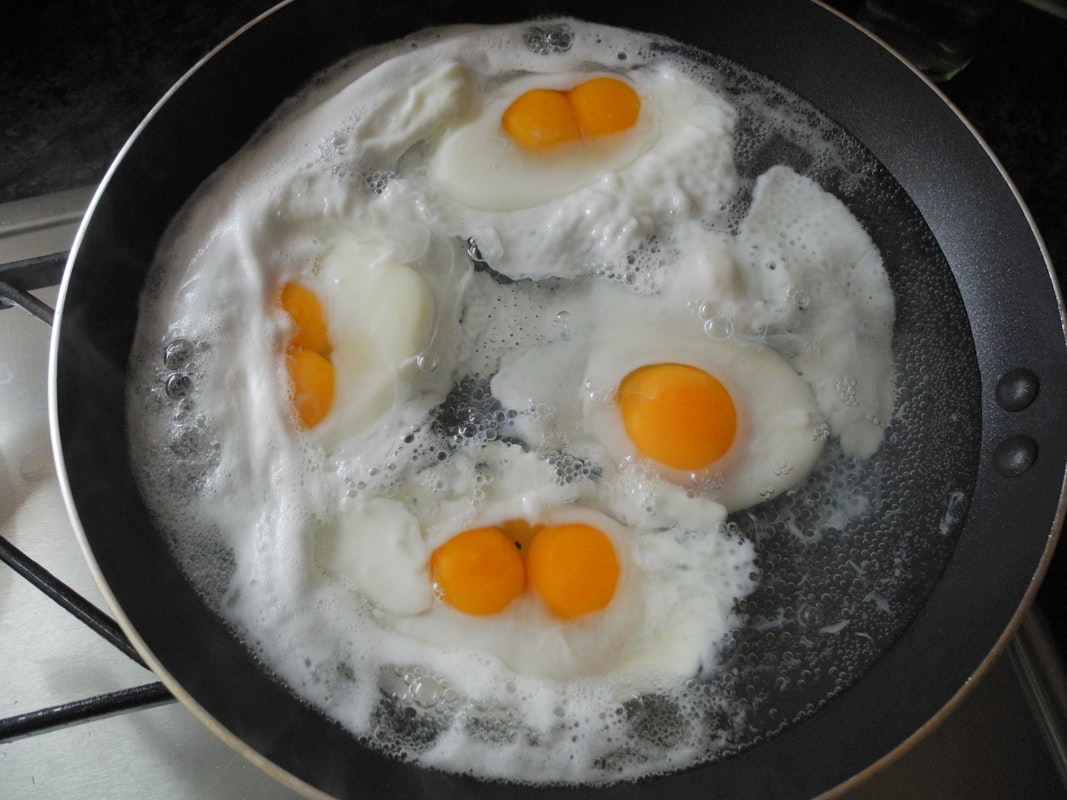
Steaming Fresh Vegetables
Gentle steam cooking locks in color, texture, and essential vitamins while developing natural sweetness.
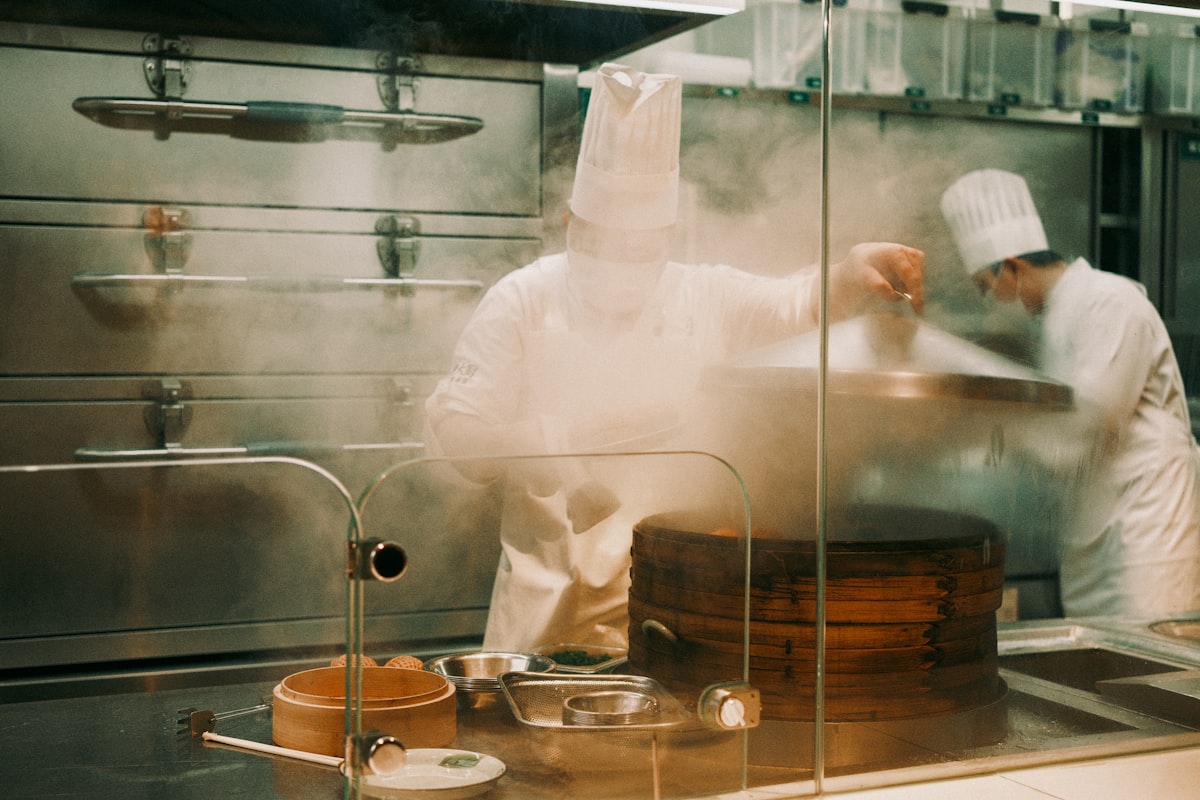
Precision Knife Work
Uniform cuts ensure even cooking, improve presentation, and create satisfying texture in every bite.
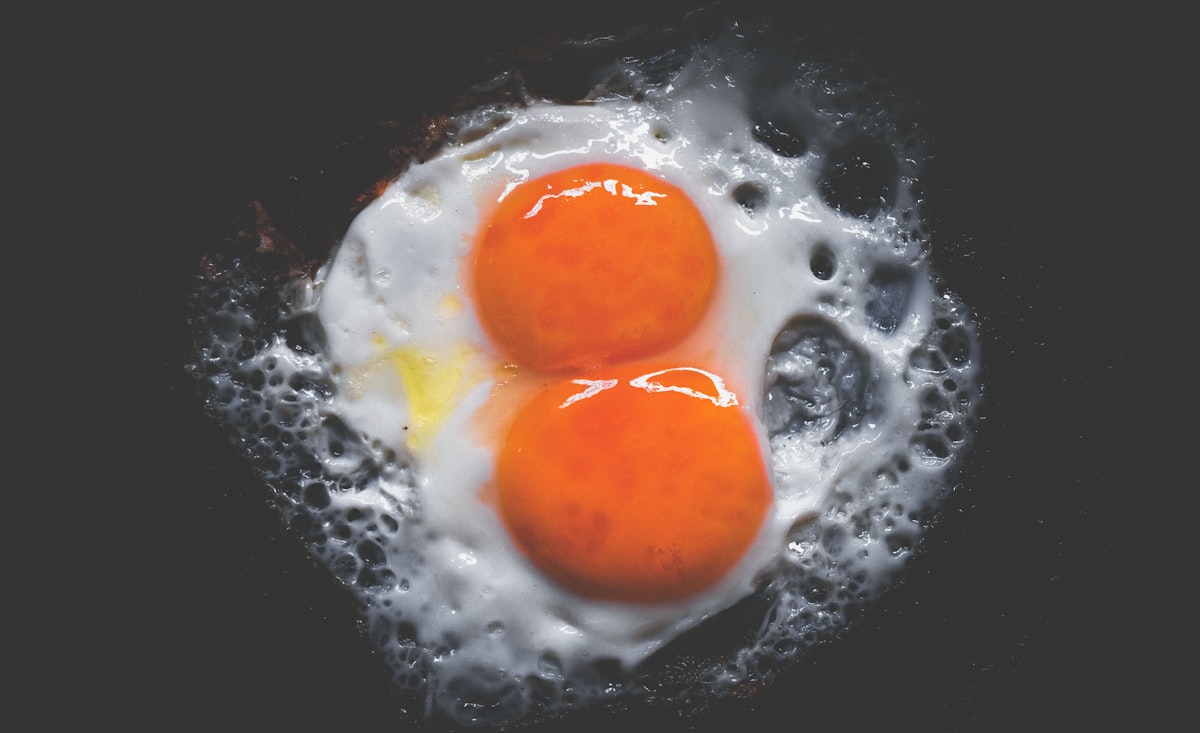
Gentle Poaching
Poaching in seasoned liquid creates tender, moist results without added oil while infusing subtle flavors.
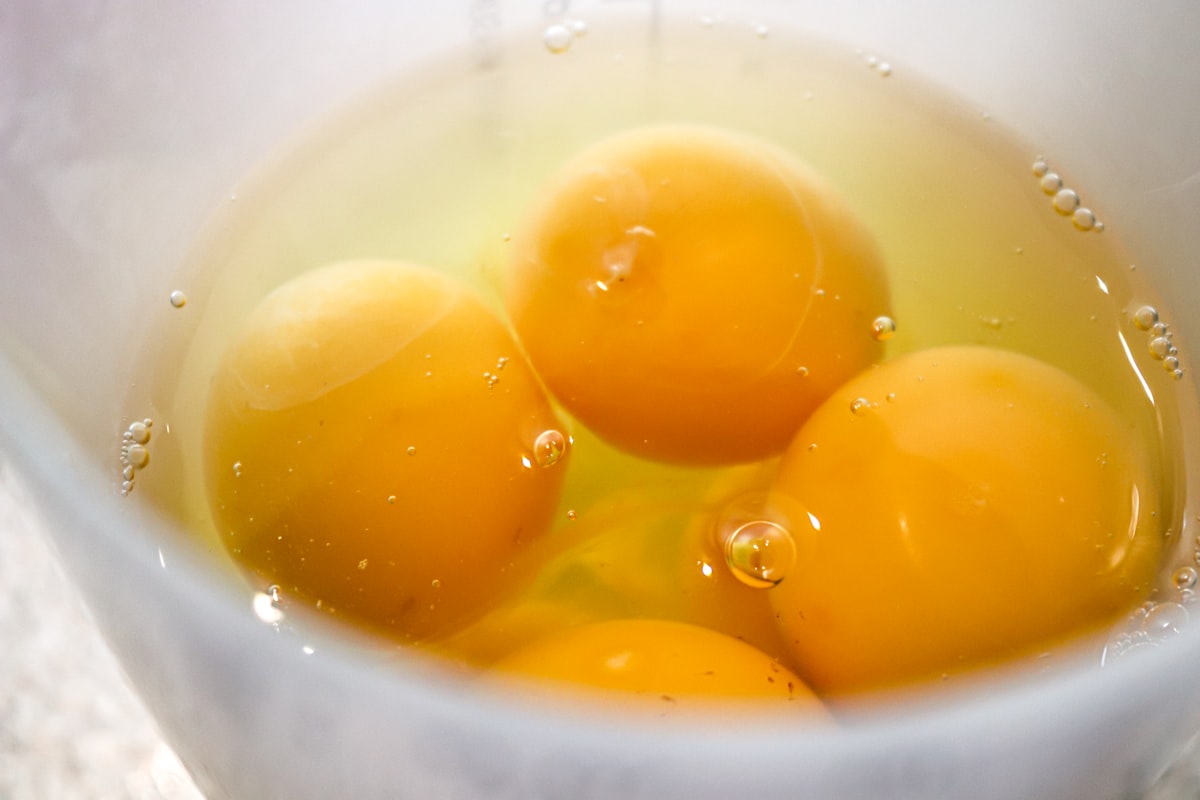
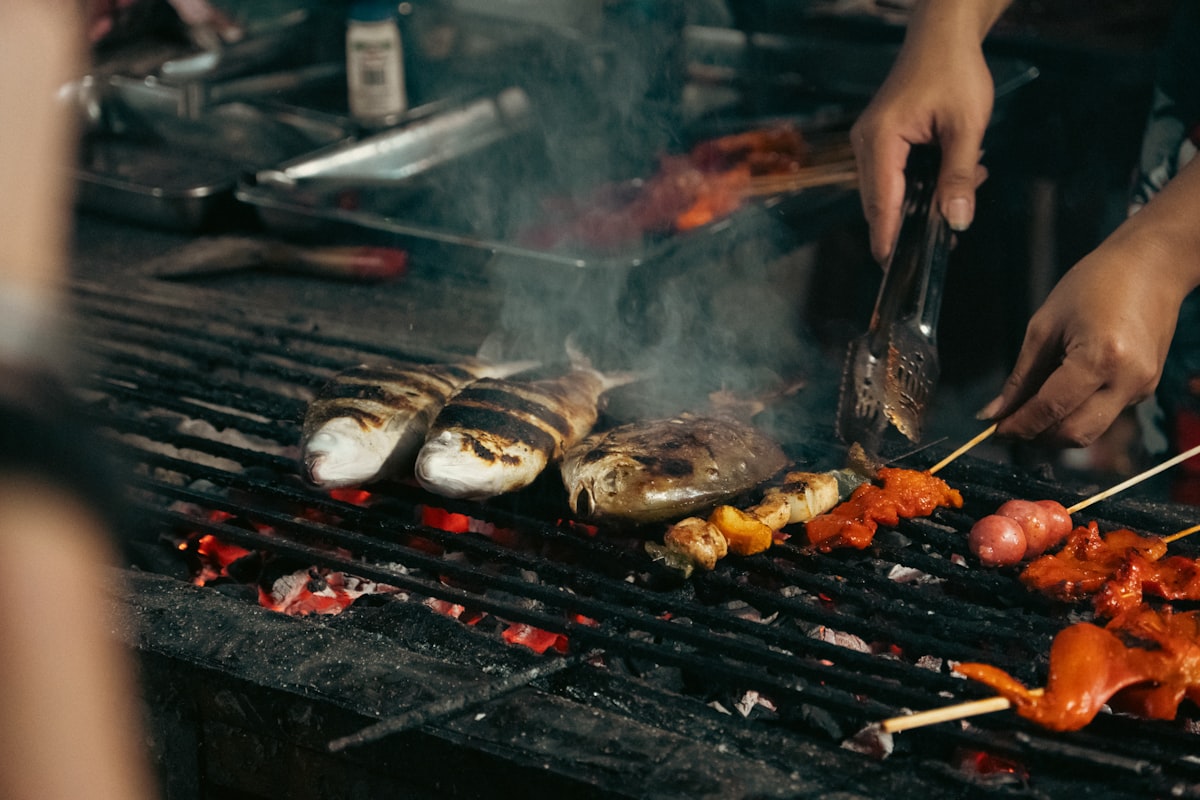
Strategic Searing
Brief high-heat searing develops rich flavors through the Maillard reaction while keeping interiors perfect.
Fermentation Basics
Traditional fermentation enhances flavor complexity and introduces beneficial microorganisms naturally.
Raw Preparation Mastery
Thoughtful raw food prep maximizes nutrient availability while creating visually appealing, satisfying meals.
Why Technique Matters for Nutrition
Proper cooking technique is far more than presentation—it directly impacts the nutritional value and bioavailability of your food. When you understand how heat, moisture, and time affect different ingredients, you make informed choices that support your wellness goals.
Heat-sensitive vitamins like vitamin C are best preserved through gentle steaming, while fat-soluble nutrients like beta-carotene are more available when cooked briefly with small amounts of quality oil. Proper technique means you're not just cooking food—you're optimizing what your body can actually use.
Preserves Nutrients: Gentle cooking methods retain more vitamins and minerals in your meals.
Enhances Digestion: Proper cooking can break down complex compounds, making food easier to process.
Develops Natural Flavors: Smart technique means less salt, sugar, and added fats needed.
Reduces Harmful Compounds: Controlled cooking minimizes formation of undesirable substances.
The Real Impact of Proper Technique
Greater Satisfaction
Properly cooked meals taste better and satisfy hunger longer, reducing cravings and overeating.
Nutrient Retention
Gentle techniques preserve more vitamins, minerals, and beneficial plant compounds in your food.
Cleaner Cooking
Proper technique reduces reliance on added salt, sugar, and unhealthy fats for flavor.
Consistent Results
Mastering fundamentals means reliable, repeatable success every time you cook.
Common Cooking Questions Answered
What temperature is best for steaming vegetables?
Steaming works best with water at a rolling boil (100°C/212°F). Place vegetables in a steamer basket above the water, ensuring they don't touch the liquid. Most vegetables steam tender in 5-12 minutes depending on size. The key is using steam rather than boiling water to preserve nutrients and texture.
Can I cook without added oil?
Yes. Water-based cooking (steaming, poaching, boiling) requires no oil. For stovetop cooking, use water, broth, or wine instead. Baking also works without oil when cooking vegetables, grains, or lean proteins. When small amounts of oil are used, choose high-quality options like extra-virgin olive oil added after cooking for maximum flavor with minimal heat exposure.
How do I know when food is properly cooked?
Look for visual cues: vegetables should be tender but still hold their shape, proteins should be opaque throughout, and grains should be tender but not mushy. A meat thermometer ensures meat reaches safe internal temperatures. Practice develops intuition—proper timing and temperature control make doneness predictable rather than guesswork.
Which cooking method preserves the most nutrients?
Steaming and poaching preserve nutrients best because they use moisture and gentle heat without prolonged high temperatures or cooking liquid loss. Microwaving is also excellent because it uses minimal water and cooks quickly. Avoid prolonged boiling where nutrients leach into water. Raw preparation maximizes all nutrients but some cooking increases bioavailability of certain compounds.
How long should I prep ingredients in advance?
Prep fresh vegetables just before cooking for maximum nutrient retention. If cutting ahead, store in airtight containers in the refrigerator—most vegetables keep 1-2 days. Longer storage causes nutrient degradation and oxidation. Grains and legumes can be cooked in advance and stored 3-4 days. Fresh herbs are best added just before serving.
What equipment do I really need to get started?
Begin with essentials: sharp chef's knife, cutting board, medium saucepan, steamer basket or colander, mixing bowls, and measuring tools. A quality cast-iron or stainless steel skillet expands possibilities. Expensive equipment isn't necessary—proper technique matters far more than gadgets. Invest gradually as you identify cooking methods you use regularly.
Home Cooks Share Their Stories
"Learning proper steaming technique completely changed how I cook vegetables. They're now tender with vibrant color, and my family actually enjoys eating them. I never realized how much technique matters—the food tastes so much better without any added salt or oil."
Maria K.
Warsaw
"I thought healthy cooking meant deprivation, but understanding heat management and flavor development has made my meals delicious. The 5-step methodology is so logical—I finally understand why some techniques work better than others for different foods."
Piotr W.
Kraków
"Pureeatingcourse transformed my relationship with food. I finally understand nutrition and can prepare meals my whole family enjoys. Highly recommend!"
Maria K.
Warszawa
Ready to Transform Your Eating Habits?
Join thousands of people who've discovered the joy of pure, healthy eating.
Frequently Asked Questions
Pureeatingcourse
Transform your relationship with food and discover the joy of pure, healthy eating.
© 2024 Pureeatingcourse – NIP: 620-323-32-91. All rights reserved.