
Master the Fundamentals of Healthy Cooking
Explore essential techniques used by professional chefs and nutrition-conscious home cooks to prepare wholesome, delicious meals every day. From steaming and grilling to sautéing with intention, discover the methods that transform simple ingredients into nourishing food.
The information on this site is for educational purposes only and does not constitute medical advice. Always consult a qualified healthcare professional before making health decisions.
Browse by Category
Essential Healthy Cooking Techniques
Learn the core methods that form the foundation of healthy, flavorful cooking. Each technique has distinct advantages for preserving nutrients and developing taste.
Steaming
Preserve vegetables' vibrant colors and delicate nutrients by cooking them gently over boiling water. Steaming is one of the gentlest methods, retaining water-soluble vitamins that other techniques may diminish.
Learn more →
Grilling
Master the art of high-heat cooking that creates appealing texture and concentrated flavors. Grilling allows excess fats to drain while developing complex taste profiles without added oils or heavy seasonings.
Learn more →
Sautéing
Cook vegetables and proteins quickly at high heat using minimal oil. This rapid technique preserves the natural texture and flavor of ingredients while developing caramelized, complex tastes that enhance any dish.
Learn more →
Roasting
Bake vegetables and proteins at high temperatures to develop deep, caramelized flavors. Roasting brings out natural sweetness and creates satisfying textures while cooking items evenly throughout, minimizing nutrient loss.
Learn more →
Poaching
Cook delicate proteins in gently simmering liquid to maintain their tender texture and nutritional integrity. This low-temperature method is ideal for fish, chicken, and eggs, infusing subtle flavors while avoiding harsh cooking effects.
Learn more →
Raw Preparation
Maximize nutrient density by consuming vegetables and fruits in their natural state. Raw preparation techniques like chopping, slicing, and blending unlock bioavailable vitamins and enzymes without any heat exposure.
Learn more →
Braising
Brown ingredients at high heat, then finish cooking in liquid at lower temperature. Braising creates tender, flavorful results with rich sauces that capture dissolved nutrients and deep, complex taste notes.
Learn more →
Stir-Frying
Cook ingredients rapidly at very high heat with constant movement and minimal oil. Stir-frying preserves vegetable crispness, retains vital nutrients, and creates appealing textures and vibrant colors in minutes.
Learn more →
Why Master These Techniques
Learning proper cooking methods is the foundation of eating well. These techniques directly impact the nutritional value, flavor, and quality of your meals.
Preserve Nutrients
Proper techniques minimize nutrient loss and maintain the vitamin and mineral content of your ingredients throughout cooking.
Enhance Flavor
Master the methods that draw out natural tastes and create satisfying, complex flavors without excess salt, sugar, or oil.
Save Time
Efficient cooking techniques let you prepare nourishing meals quickly, making healthy eating practical for busy lifestyles.
Build Confidence
Understanding the fundamentals transforms you into a capable, confident cook who can create delicious meals consistently.
Steaming: The Healthiest Cooking Method
Steaming stands as one of the gentlest and most nutritionally conscious cooking techniques available. By cooking food above boiling water rather than in it, you preserve heat-sensitive vitamins and minerals that dissolve easily in water during boiling.
This method works beautifully for vegetables, fish, and rice, creating tender textures while maintaining vibrant colors and crisp-tender results. Steaming requires no added oil, making it naturally low in calories while allowing the true taste of ingredients to shine.
Key Benefits:
- Retains B vitamins and vitamin C that dissolve in boiling water
- Maintains natural color, texture, and delicate flavors
- No added fats required, reducing overall calories
- Simple setup with basic equipment and minimal monitoring
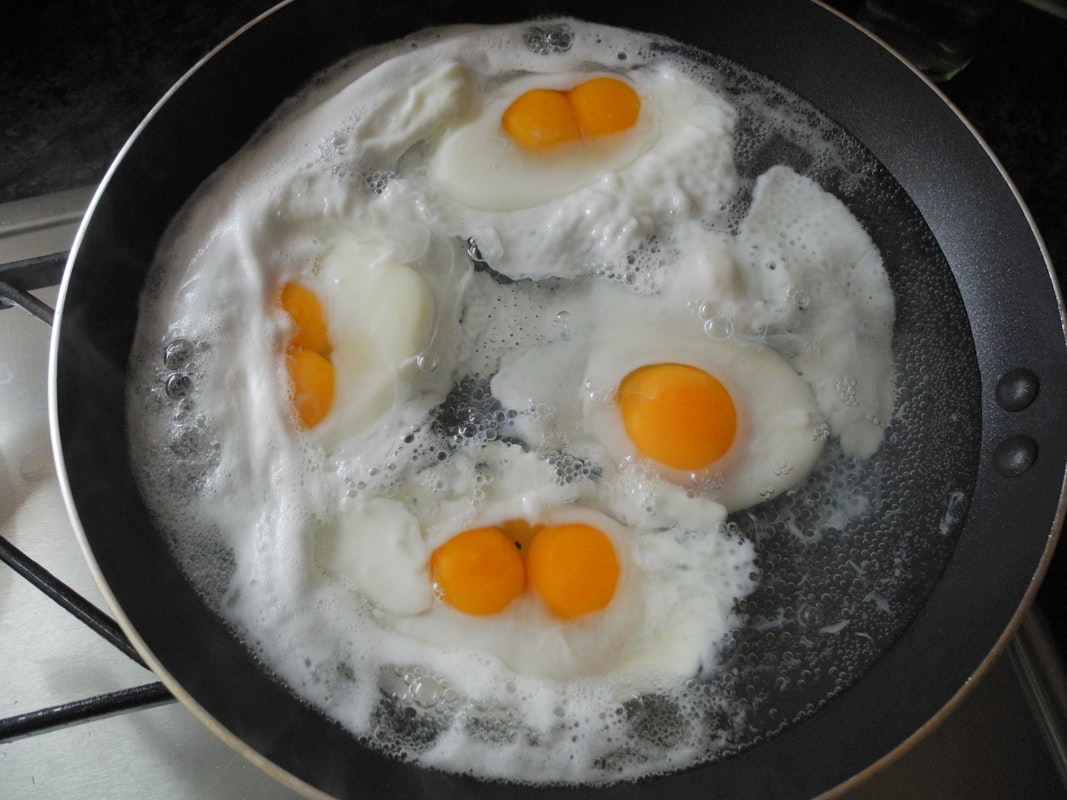
Professional steaming setup showcasing proper technique
Building Your Cooking Foundation
Learn the Science
Understand how heat affects proteins, nutrients, and flavors. Knowledge of food chemistry helps you make informed choices about which technique suits each ingredient best.
Practice Basic Methods
Start with steaming, grilling, and roasting. These foundational techniques teach proper temperature control and timing, building muscle memory and cooking confidence.
Master Flavor Development
Learn how different methods create varied taste profiles. Sautéing develops sweetness through caramelization, while poaching delivers subtle infused flavors without harsh cooking notes.
Combine Techniques
Use multiple methods in single dishes—braising combines browning and slow cooking for extraordinary depth. Mastering combinations unlocks endless culinary possibilities.
Frequently Asked Questions
Get answers to common questions about healthy cooking techniques and how to implement them in your kitchen.
Which cooking method preserves the most nutrients?
Steaming is widely regarded as one of the best methods for nutrient retention because food doesn't contact boiling water where water-soluble vitamins dissolve. Raw preparation preserves 100 percent of heat-sensitive nutrients, while quick methods like stir-frying minimize cooking time and nutrient loss.
Is grilling a healthy cooking method?
Yes, grilling is healthy because it requires minimal added oil and allows excess fats to drain away. However, avoid charring at very high temperatures, which can create harmful compounds. Cook at moderate heat and watch cooking times to maintain nutritional benefits while developing appealing flavor.
What's the difference between sautéing and stir-frying?
Both use high heat with minimal oil, but stir-frying cooks at higher temperatures with constant movement and shorter times, while sautéing uses slightly lower heat with occasional stirring. Stir-frying is faster and preserves more texture; sautéing develops deeper browning and caramelization.
Can I achieve great flavor without added salt or oil?
Absolutely. Roasting concentrates natural sugars in vegetables, steaming infuses delicate flavors, and braising creates rich taste through slow cooking in flavorful liquids. Proper technique and ingredient selection matter more than salt and oil for creating genuinely delicious dishes.
What equipment do I need to get started?
Basic equipment includes a sharp knife for cutting, a few pots and pans of different sizes, a steamer basket or bamboo steamer, and a reliable thermometer. You don't need expensive gadgets—fundamental techniques require simple tools and proper knowledge.
How do I know when food is properly cooked?
Visual cues include color changes and texture—vegetables become tender, proteins turn opaque, and grains absorb liquid. Use a meat thermometer for proteins, test vegetables with a fork, and check doneness by cutting into thicker pieces. Practice builds intuition for recognizing proper doneness.
What Our Readers Say
Learn how mastering these fundamental techniques has transformed home cooking for people across Poland and beyond.
"Learning these cooking techniques completely changed how I approach feeding my family. I didn't realize steaming could preserve so many nutrients or that proper roasting could create such complex flavors. The articles are clear, practical, and genuinely helpful."
Magdalena K.
Warsaw
"As someone who was intimidated in the kitchen, these foundational techniques gave me the confidence to cook more often. Now I understand not just how to cook, but why each method matters. My meals taste better and I know they're more nutritious."
Tomasz R.
Kraków
"I was intimidated by cooking until I took this course. The step-by-step approach made everything accessible. I've already impressed my family with new dishes, and the nutrition insights have changed how I think about food."
Maria S.
Warsaw
Ready to Transform Your Cooking?
Join thousands of students who've discovered the joy of cooking with confidence. Start your journey to pure, healthy eating today.
30-day money-back guarantee. No questions asked.
Frequently Asked Questions
Most students complete the course in 4-6 weeks, working at their own pace. You have lifetime access to all materials, so you can revisit lessons anytime.
Not at all! This course is designed for complete beginners. We start with foundational techniques and gradually progress to more advanced methods. All skill levels benefit from our comprehensive approach.
We offer a 30-day money-back guarantee. If you're not satisfied, simply contact us for a full refund. We stand behind the quality of our course.
Yes! All lesson transcripts, recipe guides, and nutrition charts are available for download. You can access everything online or offline.
Absolutely! Members get access to our exclusive community forum where you can share recipes, ask questions, and connect with other students. Our instructors are actively involved in discussions.
Pure Eating Course
Transform your relationship with food through mindful, nutritious cooking.
Course
© 2024 Pure Eating Course – NIP: 620-323-32-91. All rights reserved. | Privacy Policy | Terms of Service